Loading...
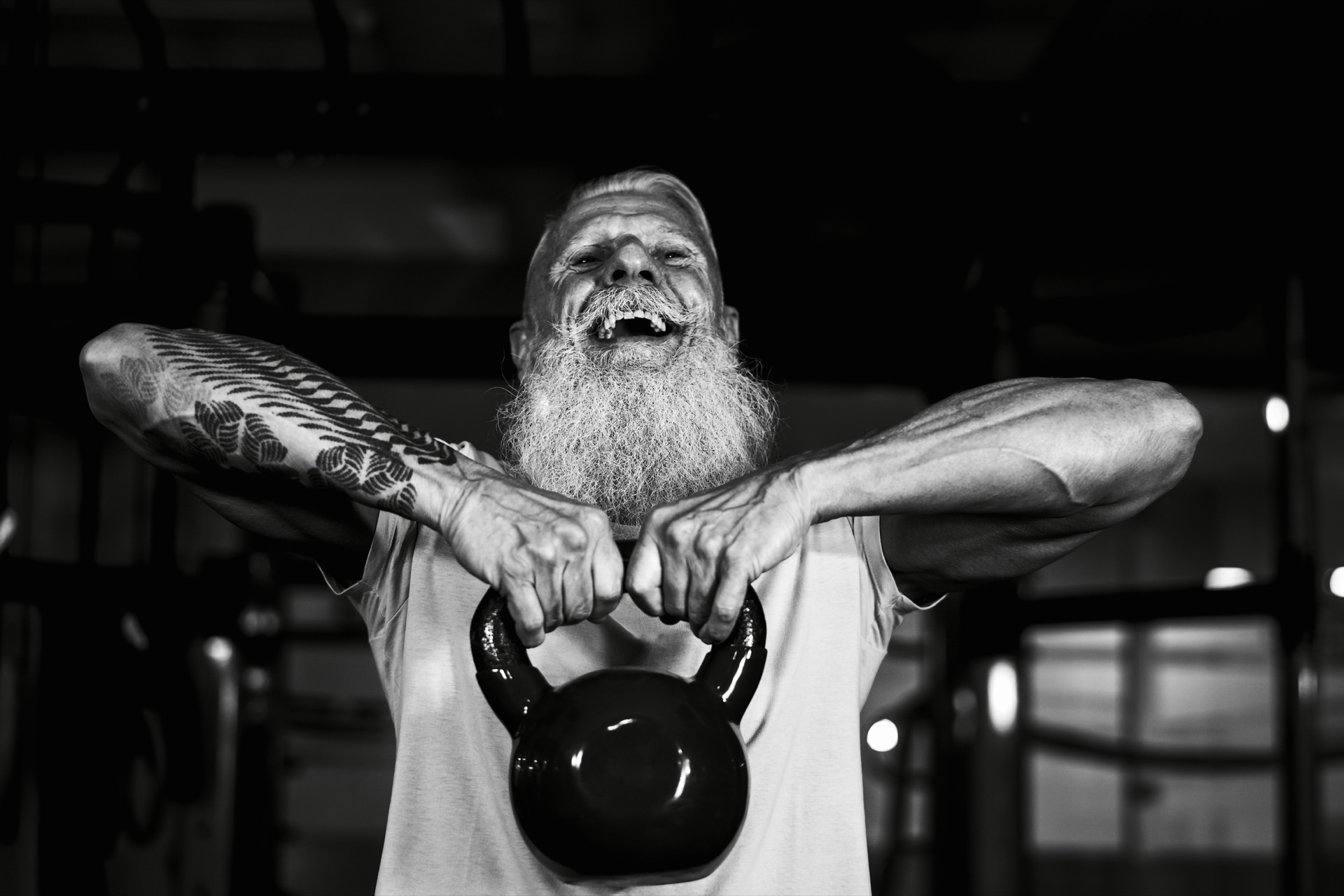
Progressive overload for your jaw
The single most important idea in strength training applies to your jaw exactly the way it applies to a squat. Here is what progressive overload means for the masseter, and how to use it without stalling or getting sore.
Shop trainersProgressive overload for your jaw
Progressive overload is the single most important idea in strength training, and it applies to your jaw the same way it applies to your legs on a squat rack. The principle is simple: a muscle only adapts when you ask it to do a little more than it is used to. Keep the load identical forever and the muscle settles into that level and stops changing. Add a little more, recover, and it comes back stronger. Everything JAWMAX makes is built around letting you do exactly that for the masseter — the muscle that gives a trained jawline much of its definition.
Why the same effort stops working
When you first pick up a training gum or a resistance trainer, almost any load is a challenge. Your masseter is not used to sustained, deliberate work, so it adapts quickly and you feel progress in the first few weeks. That early win is real, but it is also temporary. Once the muscle has adapted to a given resistance, that resistance is no longer a stimulus — it is maintenance. This is the plateau most people hit, and it is not a sign that jaw training has stopped working. It is a sign that your jaw has gotten stronger and is ready for more.
The four ways to add load
Progressive overload does not only mean "use the hardest thing you own." There are four levers, and the smartest approach rotates through them:
- Resistance. Step up a gum hardness tier or a trainer level. This is the most direct increase and the one people reach for first.
- Volume. Do more total work — an extra set, a few more reps, or a second short session later in the day.
- Frequency. Train more days per week, within sensible recovery limits.
- Control. Slow the reps down. A bite held for a two-count under steady pressure is harder than a fast one, even at the same resistance.
Pulling the resistance lever every single time is how people end up sore and stalled. If the Ultra Hard gum feels brutal, stay on Hard and add a set instead. If your trainer's next tier is a wall, add a control-focused session at your current tier first. Small, varied increases beat big jumps every time.
How to know when to progress
The test is the same one we use across every JAWMAX guide: you should finish a full session feeling worked but not wrecked. When a set that used to be a genuine challenge starts to feel comfortable — usually after two to four weeks of consistent training — it is time to add load. If you cannot complete your sets with good control, you have progressed too fast; drop back a step and build from there. There is no prize for training at a level you can barely survive, and no shame in spending an extra week on a tier that still challenges you.
Recovery is part of the overload
Overload without recovery is just accumulated fatigue. The masseter, like any muscle, gets stronger in the rest between sessions, not during them. If your jaw feels tired most mornings, if chewing normal food becomes a chore, or if you notice more clicking than usual, you are overloading faster than you can recover. Pull back the volume for a few days, then return. Progress is a staircase, not a ramp — steps up, then flat stretches where the adaptation catches up.
Be honest about the ceiling
Progressive overload builds the masseter, and a bigger, stronger masseter makes the jawline look firmer and more defined. That is a genuine, trainable change. It will not alter your underlying bone structure, and it is not a substitute for overall body composition — a lower body-fat percentage reveals more of any muscle you build. Treat jaw training as one honest lever among a few, and keep your expectations grounded. If a session ever causes sharp pain, clicking that worsens, or a jaw that aches into the next day, ease off and check with your dentist before continuing, especially after recent dental work or if you have a jaw condition.
Progression is what turns a routine into results. Show up most days, add a little when your jaw is ready, respect the recovery, and let the staircase do its work.

Built for progression, one tier at a time
$32.95
- Three resistance tiers so there is always a next step
- Controlled reps make the overload deliberate, not random
- Food-grade silicone made to take thousands of reps
- Backed by a 60-day jawline guarantee
Progression questions
How do I know when to step up a tier?
When a full session stops feeling like work — usually after two to four weeks of consistent training — add load. If you cannot finish your sets with good control, you have gone too far; drop back a step.
Should I always jump to the hardest resistance?
No. Resistance is only one of four levers — you can also add volume, frequency or slower, more controlled reps. Rotating through them beats always chasing the hardest setting, which tends to leave you sore and stalled.
Why has my progress stalled?
A plateau usually means the muscle has adapted to your current load and it is now maintenance, not a stimulus. Add a little more — a set, a session, a tier — and progress resumes. Persistent fatigue can also mean you need more recovery.
Can progressive overload change my jaw shape?
It builds the masseter, which makes the jawline look firmer and more defined. It will not change your bone structure, and a lower body-fat percentage reveals more of any muscle you build.
Ready to add load?
Find the trainer tier that challenges you today — and the next one for when it does not.
Shop jaw trainersRelated guides

Want more guides like this?
Join the JAWMAX list for new training guides and tips.